


Free TeachMeet on September 23: Navigating the Election

.png)
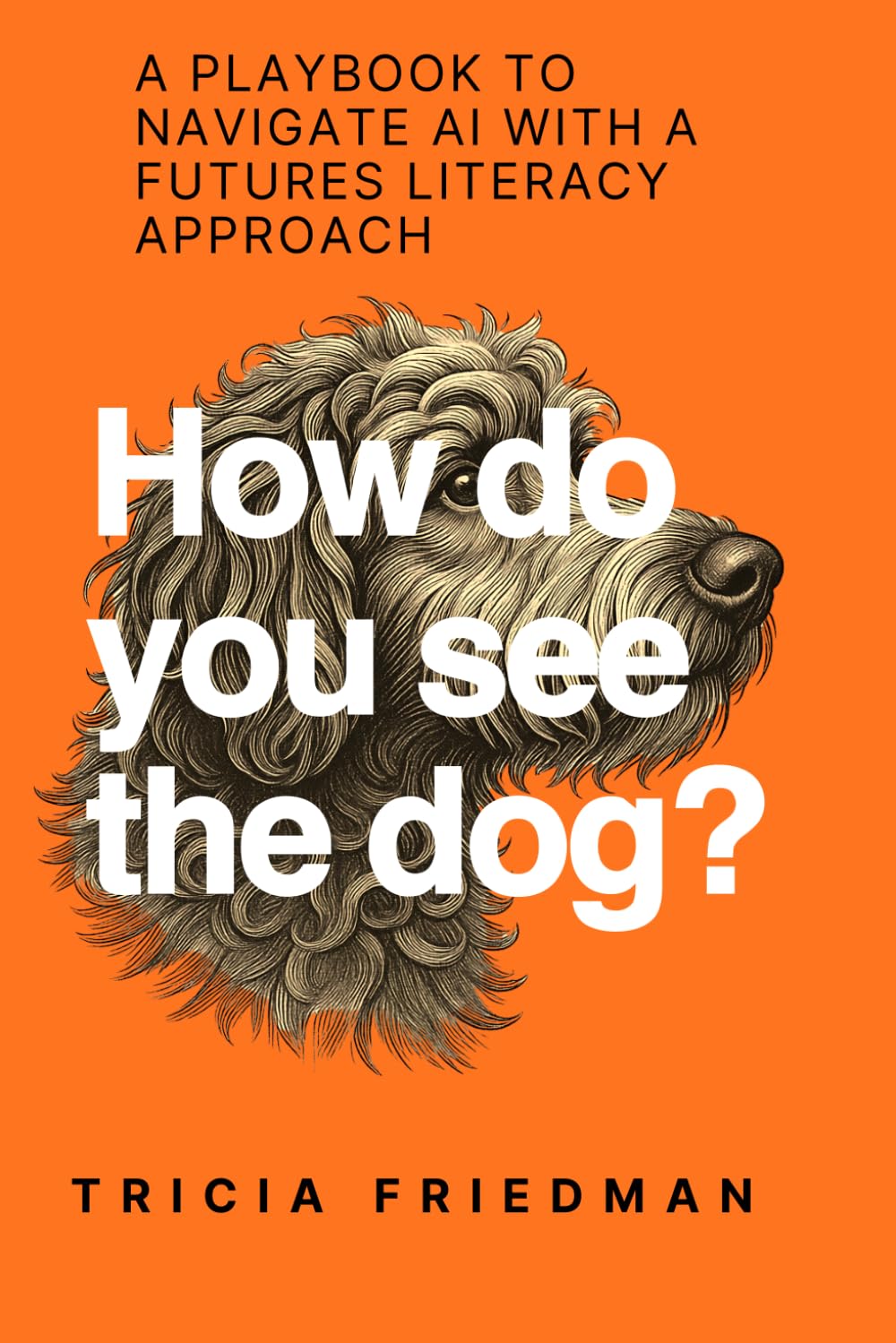


AI is not just a technology question. It is a thinking question. School leaders are being asked to make high-stakes decisions about AI in real time—often without the strategy frameworks or shared understanding to do it well. How Do You See the Dog? offers a different starting point. Instead of handing you a checklist of tools or a one-size-fits-all policy response, Tricia Friedman invites K-12 school leaders into a futures literacy approach: one that helps you notice assumptions, read signals, ask better questions, and lead with greater clarity in uncertain times. At the center of the book is a simple image: five people see the same dog in the park, and each interprets it differently. That gap between what is there and what we think we see becomes a powerful way to understand why conversations about AI in schools so often become polarized, reactive, or stuck.
AI is not just a technology question. It is a thinking question. School leaders are being asked to make high-stakes decisions about AI in real time—often without the strategy frameworks or shared understanding to do it well. How Do You See the Dog? offers a different starting point. Instead of handing you a checklist of tools or a one-size-fits-all policy response, Tricia Friedman invites K-12 school leaders into a futures literacy approach: one that helps you notice assumptions, read signals, ask better questions, and lead with greater clarity in uncertain times. At the center of the book is a simple image: five people see the same dog in the park, and each interprets it differently. That gap between what is there and what we think we see becomes a powerful way to understand why conversations about AI in schools so often become polarized, reactive, or stuck.
See More


