


Free TeachMeet on September 23: Navigating the Election
.png)
Created by IFSEL to inspire and support educators everywhere. Each episode features real-world strategies, practical tips, and authentic insights from fellow teachers—each conversation infused with IFSEL’s signature whole-community approach, wisdom, and heart.
Interested in being a guest? We’d love to hear from you! Reach out to nick@instituteforsel.net.
Show notes and episode recaps are available for every episode.
Listen wherever you get your podcasts and discover new ways to strengthen SEL practices, build connections, and bring more joy and purpose into your classroom:
.png)
As educators and students navigate constant change, expectations often shift faster than systems can keep up. Teachers feel pressure to have all the answers, while students experience inconsistency across classrooms. Tricia reminds us that while the goalposts may keep moving, belonging, empathy, and compassion remain constant. The conversation extends to SEL for adults, emphasizing that schools thrive when educators are encouraged to reflect on their own experiences. We also unpack the nuance around cell phone bans and screen time, highlighting equity, context, and the importance of modeling healthy digital habits.
As educators and students navigate constant change, expectations often shift faster than systems can keep up. Teachers feel pressure to have all the answers, while students experience inconsistency across classrooms. Tricia reminds us that while the goalposts may keep moving, belonging, empathy, and compassion remain constant. The conversation extends to SEL for adults, emphasizing that schools thrive when educators are encouraged to reflect on their own experiences. We also unpack the nuance around cell phone bans and screen time, highlighting equity, context, and the importance of modeling healthy digital habits.

Join Julie Lemley, Head of Upper School at Savannah Country Day School as she shares practical strategies for supporting students, families, and educators through transitions, designing meaningful onboarding experiences, and building cultures where people feel seen, heard, and valued. Together, we explore how social-emotional learning can be woven into everyday practices, from hiring and leadership to relationship-building and values-driven decision-making.
Join Julie Lemley, Head of Upper School at Savannah Country Day School as she shares practical strategies for supporting students, families, and educators through transitions, designing meaningful onboarding experiences, and building cultures where people feel seen, heard, and valued. Together, we explore how social-emotional learning can be woven into everyday practices, from hiring and leadership to relationship-building and values-driven decision-making.
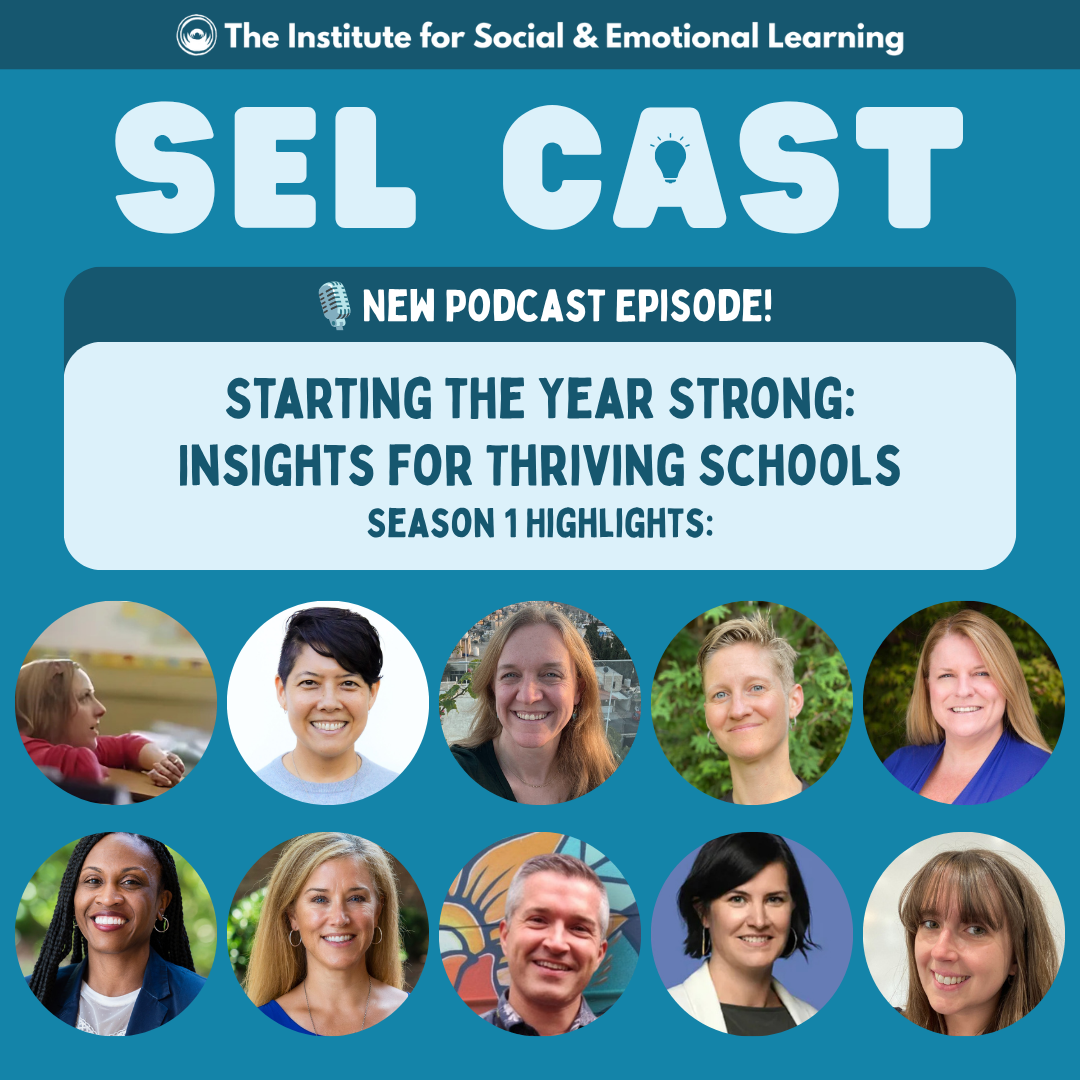
We’re bringing together the standout insights, practical strategies, and memorable moments from Season 1 - all in one episode designed to help educators start the year feeling inspired. From Advisory and SEL to Restorative Practices, Behavior Support, DEI, and Parent-Teacher Conferences, this collection features ideas and perspectives from educators who are doing the work every day.
We’re bringing together the standout insights, practical strategies, and memorable moments from Season 1 - all in one episode designed to help educators start the year feeling inspired. From Advisory and SEL to Restorative Practices, Behavior Support, DEI, and Parent-Teacher Conferences, this collection features ideas and perspectives from educators who are doing the work every day.
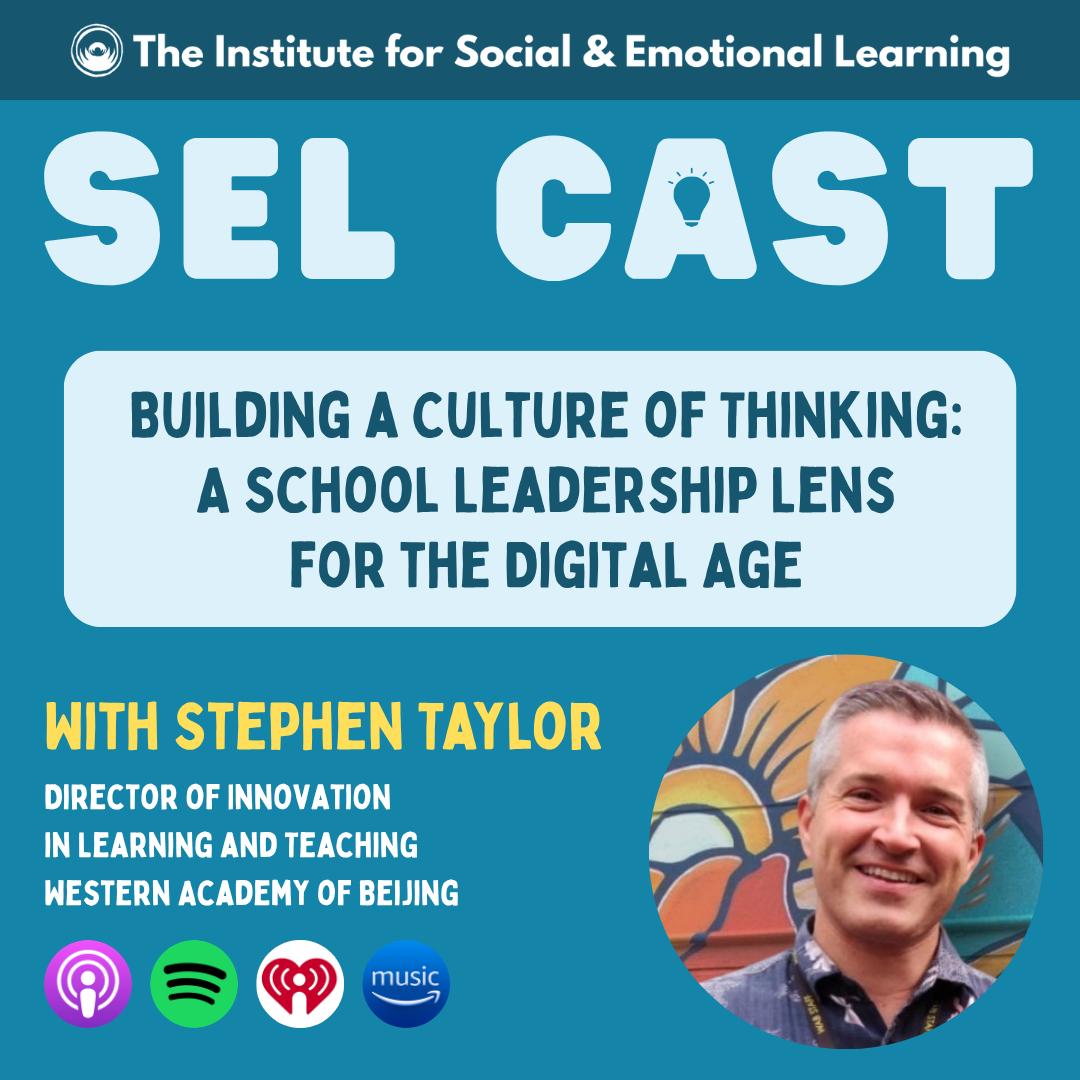
What does it take to build a truly human-centered school in the age of AI? Stephen Taylor (Western Academy of Beijing) shares why people come before programs—and how simple practices and strong relationships create cultures where students feel seen, safe, and supported. He reframes SEL as something embedded, not added on. Looking ahead, Stephen challenges schools to prioritize what won’t be automated—critical thinking, curiosity, and human judgment—while using AI as a tool for reflection and future-ready learning.
What does it take to build a truly human-centered school in the age of AI? Stephen Taylor (Western Academy of Beijing) shares why people come before programs—and how simple practices and strong relationships create cultures where students feel seen, safe, and supported. He reframes SEL as something embedded, not added on. Looking ahead, Stephen challenges schools to prioritize what won’t be automated—critical thinking, curiosity, and human judgment—while using AI as a tool for reflection and future-ready learning.
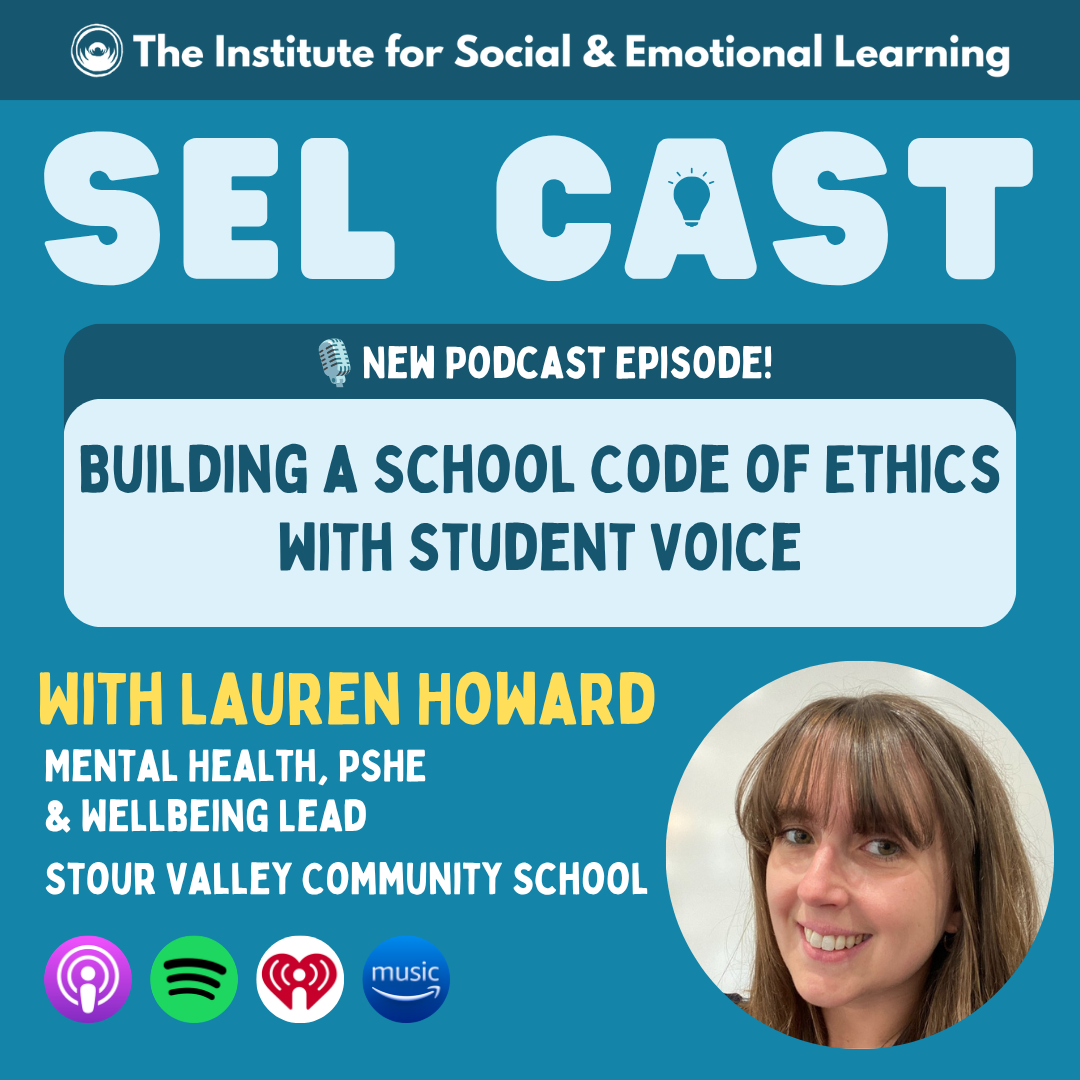
What happens when a school starts asking them to participate in writing the guidelines themselves? In this episode, we sit down with Lauren Howard, Wellbeing and PSE Lead at Stour Valley Community School, to explore how a student-led Code of Ethics became the backbone of their entire school culture. What started as a response to a difficult moment in their community grew into something far bigger — a whole-school commitment to respect, accountability, and genuine belonging.
What happens when a school starts asking them to participate in writing the guidelines themselves? In this episode, we sit down with Lauren Howard, Wellbeing and PSE Lead at Stour Valley Community School, to explore how a student-led Code of Ethics became the backbone of their entire school culture. What started as a response to a difficult moment in their community grew into something far bigger — a whole-school commitment to respect, accountability, and genuine belonging.

Explore how school leaders can cultivate thriving cultures where every identity is honored, every voice matters, and wellbeing drives performance. Designed for educators in independent and international settings, IFSEL’s Executive Director Nick Haisman-Smith and Founding Head of Hiba Academy Bay Area Colette McWilliams as we dive into practical, relational strategies that make values visible and felt across your entire community.
Explore how school leaders can cultivate thriving cultures where every identity is honored, every voice matters, and wellbeing drives performance. Designed for educators in independent and international settings, IFSEL’s Executive Director Nick Haisman-Smith and Founding Head of Hiba Academy Bay Area Colette McWilliams as we dive into practical, relational strategies that make values visible and felt across your entire community.
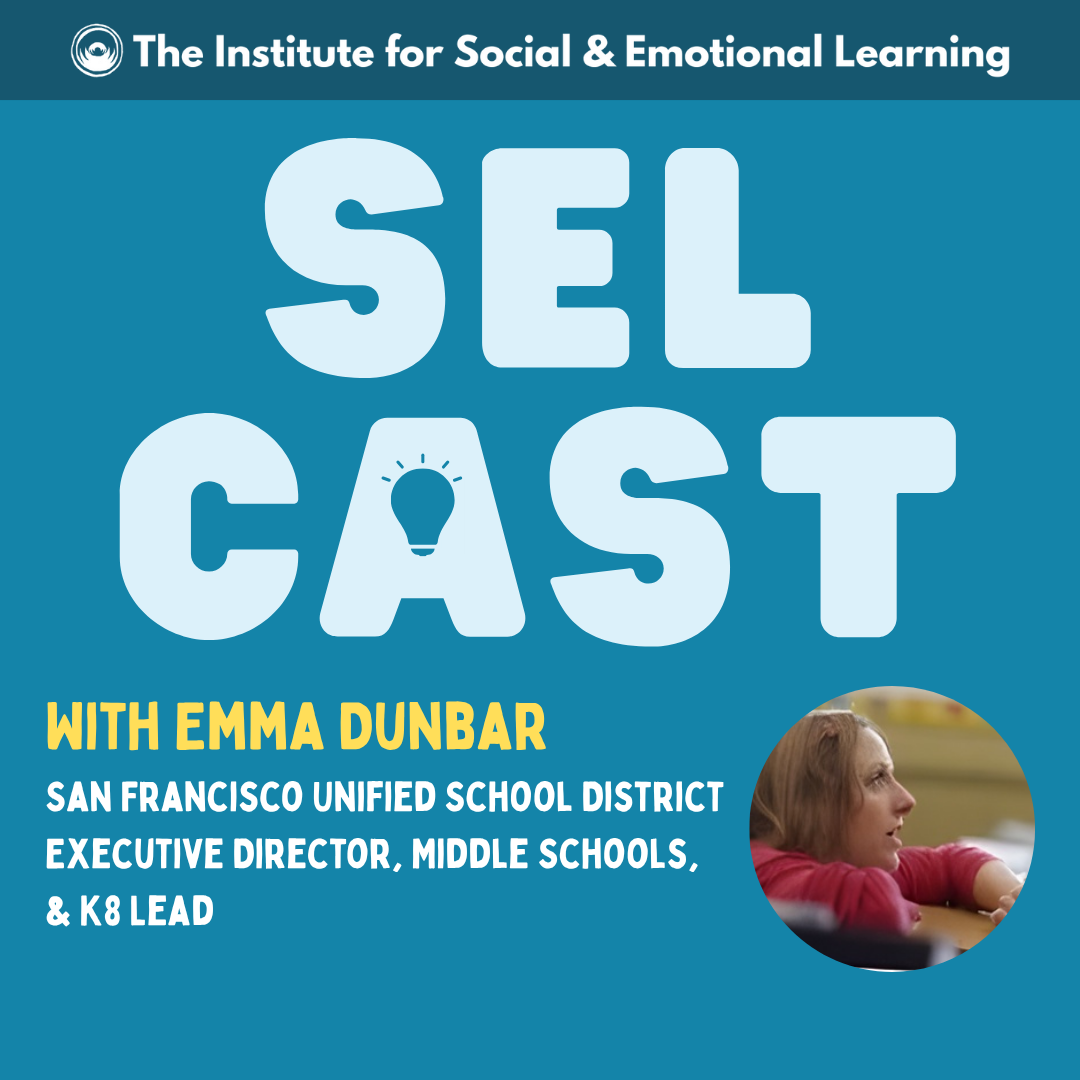
Explore how schools can embed SEL into daily routines, relationships, and curriculum design. Together, we discuss practical ways educators can build inclusive classrooms, nurture diversity, and strengthen well-being for both students and adults. Emma shares insights on creating Advisory structures that align with deeper learning, elevate student leadership, and sustain a culture of care across the whole school community. We’re joined by Emma Dunbar, Supervisor of Deeper Learning at San Francisco Unified School District (SFUSD)!
Explore how schools can embed SEL into daily routines, relationships, and curriculum design. Together, we discuss practical ways educators can build inclusive classrooms, nurture diversity, and strengthen well-being for both students and adults. Emma shares insights on creating Advisory structures that align with deeper learning, elevate student leadership, and sustain a culture of care across the whole school community. We’re joined by Emma Dunbar, Supervisor of Deeper Learning at San Francisco Unified School District (SFUSD)!

We explore why protecting advisory time and creating consistent, structured experiences is essential. We also highlight the importance of truly knowing every student—their interests, strengths, and challenges—to build stronger relationships, peer connections, and family communication.
We explore why protecting advisory time and creating consistent, structured experiences is essential. We also highlight the importance of truly knowing every student—their interests, strengths, and challenges—to build stronger relationships, peer connections, and family communication.
.png)
Care is at the heart of teaching, but many school systems aren’t built to sustain it. In this episode, we explore Adult SEL, regenerative school cultures, and how leaders can support educator wellbeing without sacrificing excellence. We discuss moving beyond the “give, give, give” mindset, setting healthy boundaries, and creating cultures of care where both educators and students can thrive.
Care is at the heart of teaching, but many school systems aren’t built to sustain it. In this episode, we explore Adult SEL, regenerative school cultures, and how leaders can support educator wellbeing without sacrificing excellence. We discuss moving beyond the “give, give, give” mindset, setting healthy boundaries, and creating cultures of care where both educators and students can thrive.
.png)
SEL and Diversity, Equity, Inclusion, and Justice (DEIJ) are not short-term initiatives—they’re ongoing commitments that shape the core of a school community. In this episode, Motoka Maegawa shares how consistent SEL practices, responsive systems, and restorative approaches strengthen belonging, trust, and accountability in every part of school life. She highlights how moving beyond identity awareness, modeling authenticity, and returning to these conversations regularly helps communities grow in depth, empathy, and connection.
SEL and Diversity, Equity, Inclusion, and Justice (DEIJ) are not short-term initiatives—they’re ongoing commitments that shape the core of a school community. In this episode, Motoka Maegawa shares how consistent SEL practices, responsive systems, and restorative approaches strengthen belonging, trust, and accountability in every part of school life. She highlights how moving beyond identity awareness, modeling authenticity, and returning to these conversations regularly helps communities grow in depth, empathy, and connection.
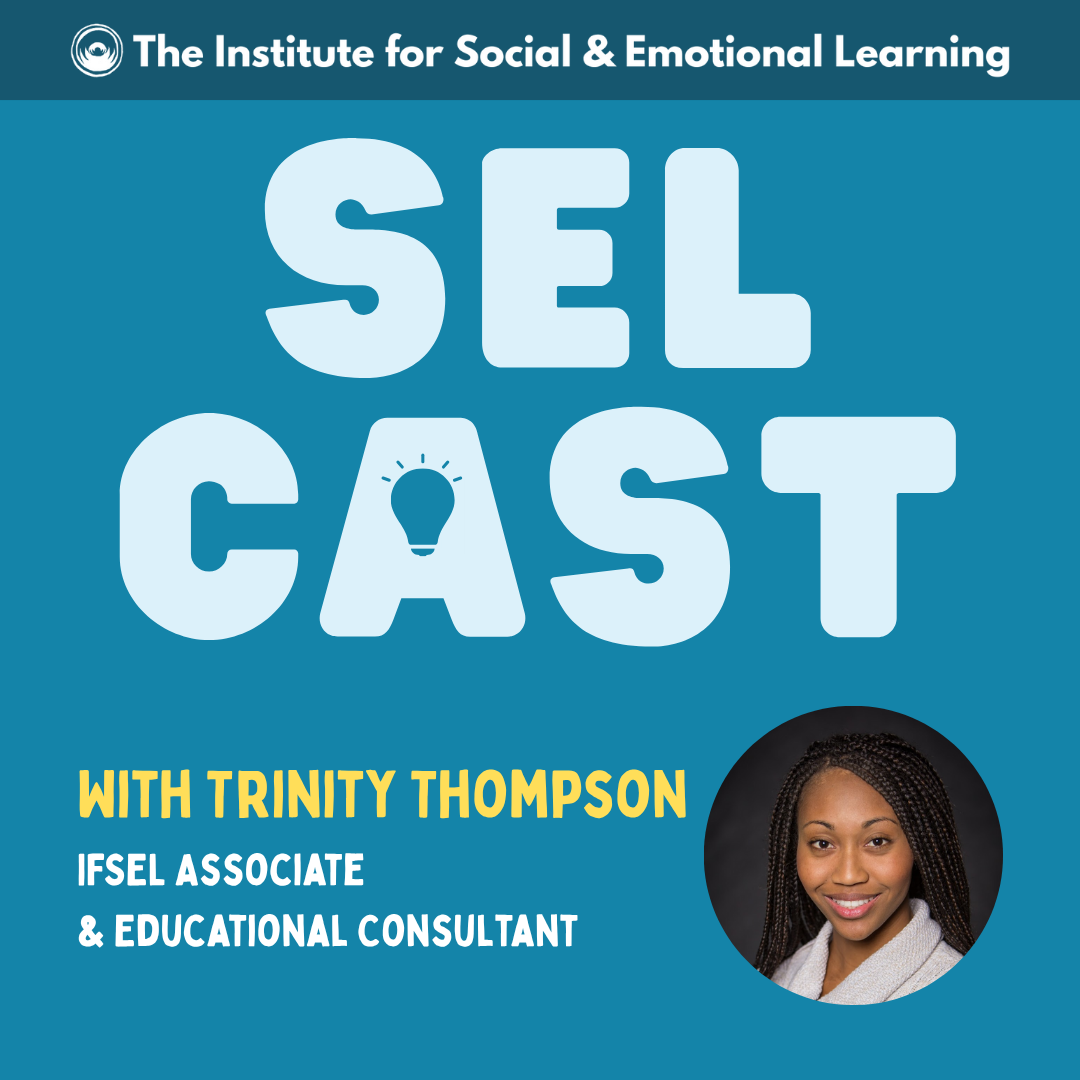
In this episode, we explore Social and Emotional Learning (SEL) and how IFSEL’s Whole-Community Approach strengthens wellbeing, belonging, and safeguarding across schools. Discover how SEL cultivates both intrapersonal and interpersonal skills, supports restorative practices, and promotes diversity, equity, and inclusion through authentic connection. Join Nick Haisman-Smith and Trinity Thompson as we explore how intentional SEL builds communities of care where diversity is valued, wellbeing is prioritized, and every voice belongs.
In this episode, we explore Social and Emotional Learning (SEL) and how IFSEL’s Whole-Community Approach strengthens wellbeing, belonging, and safeguarding across schools. Discover how SEL cultivates both intrapersonal and interpersonal skills, supports restorative practices, and promotes diversity, equity, and inclusion through authentic connection. Join Nick Haisman-Smith and Trinity Thompson as we explore how intentional SEL builds communities of care where diversity is valued, wellbeing is prioritized, and every voice belongs.

IFSEL's Nick Haisman-Smith discusses what SEL is, it's importance for communities and how SEL is important for aspects of our mental health.
IFSEL's Nick Haisman-Smith discusses what SEL is, it's importance for communities and how SEL is important for aspects of our mental health.

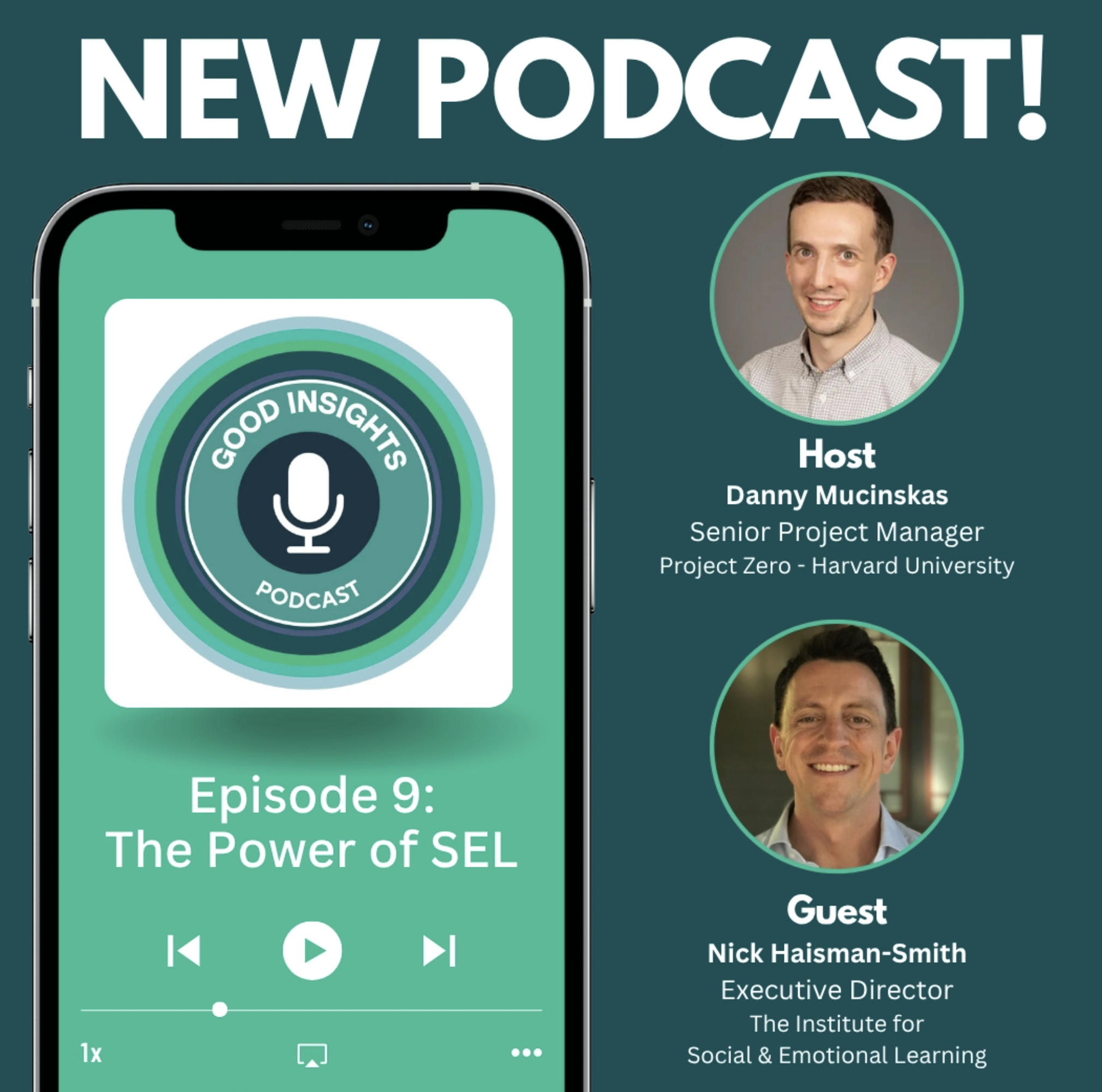
In this episode of the Good Insights podcast, Danny Mucinskas interviews Nick Haisman-Smith, the Executive Director and Co-Founder of the Institute for Social and Emotional Learning. Nick discusses his journey from teaching to co-founding the Institute and highlights the importance of proactive and systemic approaches to social and emotional learning (SEL) in schools. The conversation covers SEL competencies, the importance of cultural sensitivity in conducting this type of work, and how to create supportive environments for both students and educators. Connecting with The Good Project’s framework of “good work,” Nick emphasizes that SEL is integral to achieving excellence, fostering ethical decision-making, and maintaining engagement. The pair conclude by thinking about their hopes for the wider effects of SEL on the world.
In this episode of the Good Insights podcast, Danny Mucinskas interviews Nick Haisman-Smith, the Executive Director and Co-Founder of the Institute for Social and Emotional Learning. Nick discusses his journey from teaching to co-founding the Institute and highlights the importance of proactive and systemic approaches to social and emotional learning (SEL) in schools. The conversation covers SEL competencies, the importance of cultural sensitivity in conducting this type of work, and how to create supportive environments for both students and educators. Connecting with The Good Project’s framework of “good work,” Nick emphasizes that SEL is integral to achieving excellence, fostering ethical decision-making, and maintaining engagement. The pair conclude by thinking about their hopes for the wider effects of SEL on the world.
.png)
This program supports leaders and educators around the world to build and sustain an inclusive, equitable, SEL-rooted school community. This online program is experiential, inspiring, and renewing - providing a balance of high impact practical tools and approaches, alongside space for collaboration and reflection.
More InfoThis program supports leaders and educators around the world to build and sustain an inclusive, equitable, SEL-rooted school community. This online program is experiential, inspiring, and renewing - providing a balance of high impact practical tools and approaches, alongside space for collaboration and reflection.
More InfoThis program supports leaders and educators around the world to build and sustain an inclusive, equitable, SEL-rooted school community. This online program is experiential, inspiring, and renewing - providing a balance of high impact practical tools and approaches, alongside space for collaboration and reflection.
More Info.png)
This experiential two-day workshop invites K–12 educators, administrators, counselors, and advisors to explore how to design, embed, and sustain SEL across the whole community.
More Info


